What is a parlay?
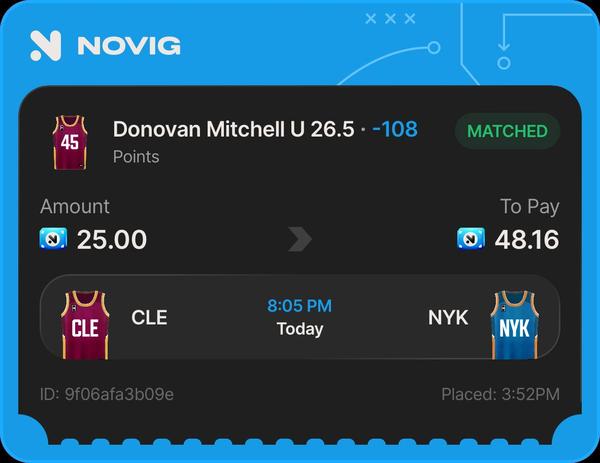
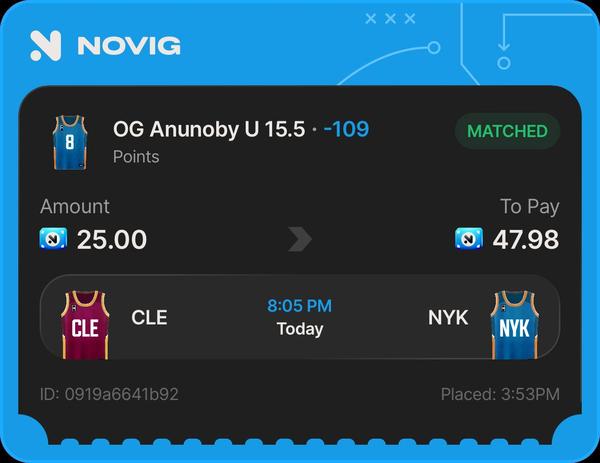
A parlay (also called an accumulator) is one bet that combines two or more individual bets, called legs. Every leg has to win for the parlay to cash, and in exchange the odds of all the legs multiply together, so the payout is far larger than betting each leg on its own. "Parlay bet," "parlaying," and "accumulator" all mean the same thing: rolling several picks into one higher-paying ticket.
How the parlay calculator works
Enter your stake and each leg's American odds. The calculator instantly converts each leg to decimal odds, multiplies them together for your combined parlay odds, then multiplies your stake by those odds to show payout and profit. That part is on every parlay payout calculator. What makes this one different is the Wise Guy read: it also tells you whether the parlay is a positive expected value bet, not just what it pays.
- Enter the real odds you are getting at your book.
- The +EV check pre-fills each leg's true win % with the book's own implied odds, so a parlay reads negative by default.
- Adjust a leg's win % to your honest estimate to see if you actually have an edge.
How to calculate parlay odds
To calculate parlay odds by hand, convert every leg to decimal odds and multiply them all together. Three legs at -110 (decimal 1.91 each) work out to 1.91 x 1.91 x 1.91 = 6.96, which is about +596 in American odds, so a $10 stake returns $69.58. Each leg you add multiplies the odds, and the risk, again. The calculator above does this instantly as you type.
Why most parlays lose money
Sportsbooks love parlays because the house edge compounds with every leg you add. A single bet at -110 carries about a 4.5% hold. String four together and the book's edge on the parlay balloons. That is why the calculator pre-fills each leg's true win % with the book's implied number: at those odds, a parlay is always negative. The only way it turns positive is if your real win rate on every single leg beats the price the book is offering.
Same game parlays and round robins
A same game parlay (SGP) combines multiple bets from one game, like a team moneyline plus a player prop. Those legs are often correlated, and books price that correlation into worse odds, so an SGP usually carries a bigger built-in hold than a standard parlay. A round robin splits your picks into several smaller parlays, so you still cash something if one leg misses, at the cost of more total stake. Both are fine in moderation. The rule does not change: only include legs where you genuinely beat the number, and keep the stake small.
The Wise Guy Team way
We are not anti-parlay. We are anti-bad-number. If you are going to play a parlay, build it from legs you have a real edge on, keep it to a fraction of a unit, and always take the best price on every leg. That is exactly what line shopping and our +EV tools are built to find.
Frequently asked questions
What is a parlay, and what does "parlay" mean?
A parlay is a single bet that combines two or more picks (legs). All legs must win, and the odds multiply for a bigger payout. "Parlay," "parlay bet," and "accumulator" mean the same thing.
How do parlays work?
You pick two or more bets, combine them into one wager, and every leg has to win. The legs' odds multiply together, so the payout is much higher than the individual bets, but the chance of winning is lower.
How do you calculate parlay odds?
Convert each leg's American odds to decimal, multiply all the decimals together, then multiply by your stake for the payout. This tool does it automatically as you type.
Are parlays a good bet?
Usually not. The sportsbook's edge multiplies with each leg, so most parlays are negative expected value. A parlay is only worth it when you have a real, measurable edge on every leg.
What is a same game parlay (SGP)?
A parlay built from multiple bets in the same game. The legs are often correlated, so books shade the odds and the built-in hold is usually higher than a standard parlay.
What is a round robin parlay?
A round robin breaks your picks into multiple smaller parlays, so you can still win something if one leg loses, at the cost of more total stake.
What is expected value (EV) on a parlay?
It is the long-run profit or loss per dollar. If the payout is higher than your true chance of winning justifies, the parlay is +EV. At the book's implied odds it is always negative, which is why we let you enter your own honest win estimate per leg.
How many legs should a parlay have?
Fewer is almost always better. Every leg multiplies the book's hold. If you play one, keep the stake small and only include legs where you beat the number.
21+. For entertainment and educational purposes, not financial advice. If gambling stops being fun, take a break. 1-800-GAMBLER.